Leading Tips for Effective Water Damage Restoration: Protect Your Building Today
Water damage can strike suddenly, triggering substantial interruption and possible threats. Reliable restoration needs a methodical method to lessen more damage. From assessing the damage to executing safety nets, each step plays an important function in securing building. Comprehending these techniques can make all the difference in the results of a water-related dilemma. What crucial actions should be focused on to ensure comprehensive protection?
Examine the Damage Quickly

Turn off the Supply Of Water
Shutting down the water system is a necessary step in preventing more damage during a water-related case. When a leak or flooding occurs, instant activity is crucial to decrease the extent of the damage. Finding the major water shut-off valve should be a priority. This shutoff is commonly positioned near the water meter or where the water line enters the home. When situated, transforming the shutoff clockwise will stop the circulation of water. In cases where the major shutoff is unattainable, private shut-off valves for appliances might likewise be made use of. Without delay shutting down the supply of water not just shields the property from additional harm yet likewise facilitates the subsequent restoration procedure, making sure that recovery initiatives can begin without delay.
Get Rid Of Excess Water Immediately
Removing excess water immediately is crucial for decreasing damage and avoiding mold development in influenced areas. The longer water continues to be touching products such as insulation, wood, and drywall, the higher the threat of structural damage and the advancement of mold and mildew. Homeowners must act promptly to examine the circumstance and utilize ideal devices, such as damp vacuum cleaners or pumps, to remove standing water efficiently. If the quantity of water is substantial, speaking to specialist restoration services may be required, as they can provide customized equipment and proficiency. Furthermore, getting rid of furnishings and belongings from the damaged area can help to decrease damage and assist in the total restoration process. Prompt activity not only protects home but also help in a smoother recovery journey.
Dry Out the Affected Location
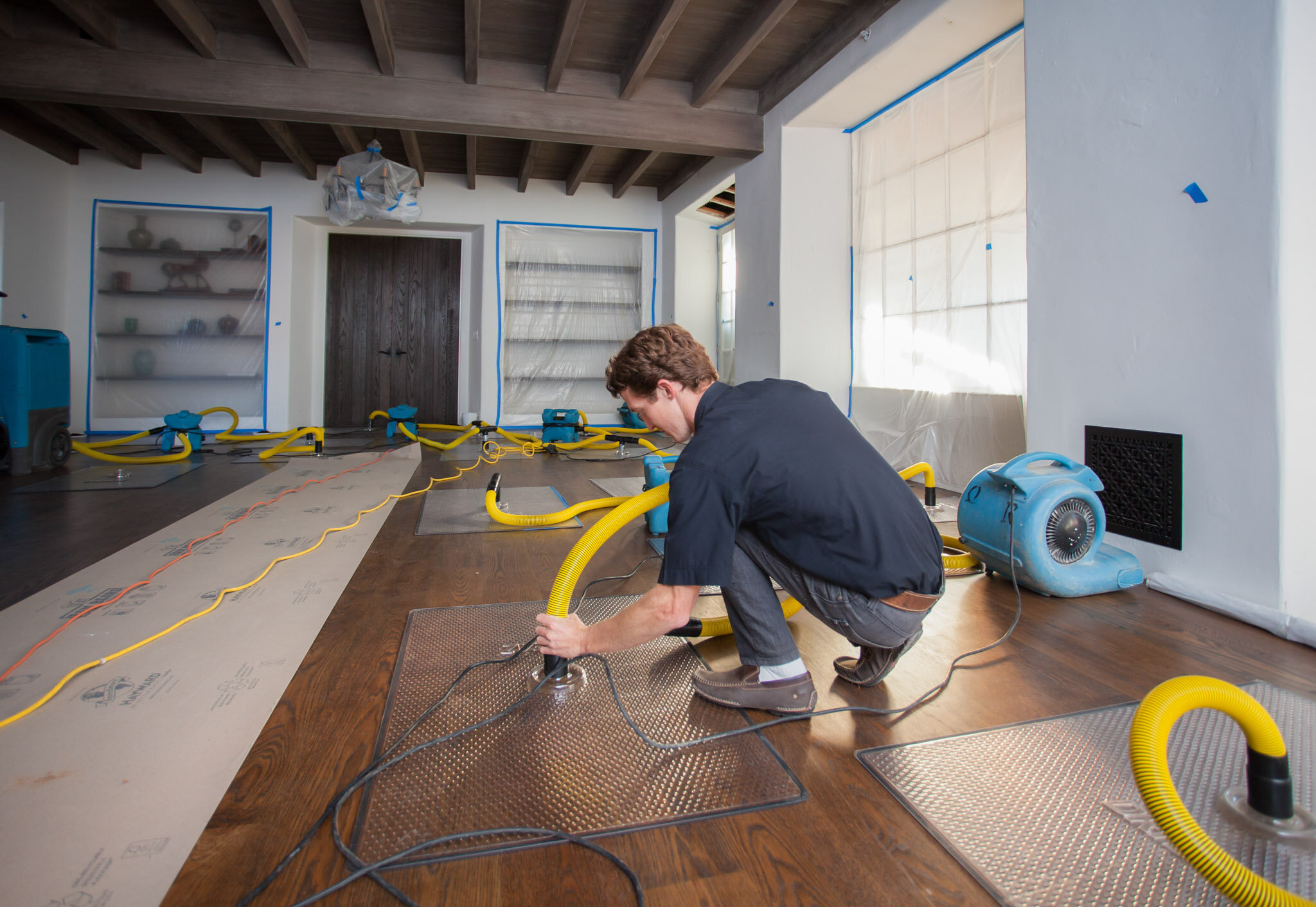
After getting rid of excess water, it is necessary to dry the damaged area extensively. This entails removing any kind of standing water and improving air blood circulation to facilitate dissipation. Efficient drying will help protect against mold and mildew development and further damage.
Eliminate Standing Water
Swiftly dealing with standing water is essential for reliable water damage restoration. The visibility of stationary water can bring about additional property damage and create a setting for mold and mildew development. To reduce these risks, it is vital to eliminate standing water as promptly as feasible (Water Damage Restoration). This procedure normally includes using completely submersible pumps, wet vacuums, or specialized removal equipment. Specialists suggest assessing the deepness and level of the water before selecting the suitable technique for removal. Safety safety measures need to additionally be taken, including putting on safety gear and making sure power is switched off in influenced areas. Once the standing water is effectively removed, the drying process can begin, better guarding the property from recurring damage
Boost Air Circulation
Examine for Mold Growth
Mold and mildew development is a serious issue following water damage, as it can bring about health concerns and structural damage. After any flooding or leaks, it is important to conduct a thorough assessment of the influenced areas. This includes monitoring hidden areas such as behind wall surfaces, under carpetings, and in basements or attic rooms where dampness may stick around. Signs of mold include a moldy smell, staining on surfaces, or visible development. Property proprietors need to use safety gear when inspecting, as mold and mildew spores can present health and wellness risks. Water Damage Restoration. If mold and mildew is identified, it is essential to address it instantly, as delaying removal can intensify the issue and boost the risk of significant health and wellness concerns for owners. Early treatment is key to efficient mold administration
Repair Service and Bring Back Damaged Frameworks
When resolving water damage, it is necessary to very first assess the architectural integrity of the impacted areas (Residential Water Damage Repair). This evaluation helps determine potential dangers and educates the needed repair methods. Engaging expert restoration solutions guarantees that the restoration process is performed securely and effectively
Analyze Structural Integrity First
Prior to starting any kind of water damage restoration, it is important to assess the structural stability of the damaged area. This examination aids identify any type of endangered components, such as beam of lights, wall surfaces, or foundations, which may present safety and security threats. Examining for indications of bending, fracturing, or mold and mildew development is crucial, as these signs can expose underlying damage that needs instant focus. Additionally, comprehending the level of the damage can lead restoration initiatives and establish whether repairs are feasible or if replacement is essential. It is important to document findings extensively, as this details can be beneficial for insurance claims or future reference. Prioritizing architectural evaluation warranties that restoration initiatives proceed safely and efficiently, ultimately protecting Emergency Water Removal the building and its occupants.

Usage Professional Restoration Services
Making use of expert restoration solutions is crucial for effectively fixing and bring back broken structures after water cases. These professionals have the needed training, devices, and experience to examine and alleviate water damage thoroughly. They can identify surprise problems, such as mold and mildew growth and architectural weaknesses, that might not be instantly noticeable. Expert solutions also utilize advanced drying strategies and equipment, making sure that all dampness is eliminated to stop further damage. In addition, they comply with market criteria and laws, guaranteeing that the restoration procedure is effective and risk-free. By involving restoration professionals, building owners can accelerate recuperation, decrease long-term damage, and eventually secure their financial investment - Flood Cleanup Services. This aggressive method is important in maintaining the stability and security of afflicted structures
Stop Future Water Damage
To properly protect against future water damage, home owners should embrace a positive technique to repair and maintenance. Routine assessment of roofs, downspouts, and gutters is vital; clogged up gutters can lead to water overflow and roof leakages. Furthermore, looking for leaks in pipes fixtures and appliances can thwart possible damage. House owners ought to also take into consideration setting up sump pumps in basements or low-lying locations to handle water accumulation. Securing splits in foundations and guaranteeing correct drain around the residential or commercial property are vital action in guarding versus water breach. Maintaining humidity levels with dehumidifiers can protect against mold development. By applying these precautionary measures, house owners can significantly lower the danger of water damage and secure their residential property for the long term.
When a water damage event occurs, it is vital to assess the damage promptly to mitigate additional issues. Eliminating excess water without delay is vital for decreasing damage and avoiding mold and mildew development in affected areas. Quickly resolving standing water is critical for efficient water damage restoration. The presence of stationary water can lead to additional residential property damage and create a setting conducive to mold and mildew development. Prior to initiating any type of water damage restoration, it is essential to evaluate the architectural honesty of the damaged location.